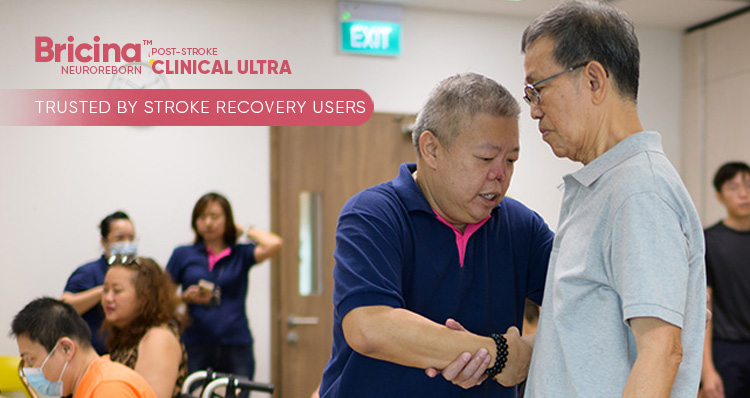
Across more than 1,286 stroke recovery users, families consistently report practical, measurable improvements in daily life — from lifting an arm higher to walking
Longer distances without fear of falling. With an overall satisfaction rating of 4.8/5.0, this home-based approach has become one of the most trusted systems for post-stroke weakness and one-sided paralysis.
Real Recovery Stories From the United States
In the United States, stroke survivors with different ages and severities have shared encouraging progress when they stayed consistent with their recovery plan:
- Texas – elderly male, right-side weakness (8 months): after about 5 weeks, he noticed smoother steps, fewer night-time cramps, and more control over his weak leg, especially when walking around the house.
- California – retired nurse: she struggled to lift her shoulder above chest height. After 60 days of combining the program with simple home exercises, she could raise her arm nearly overhead and reported a stronger, more stable grip.
- Ohio – cane-dependent walker: this patient, who could walk only short distances with a cane, managed to double his walking distance in about 45 days and reported more stable foot placement with less “dragging” of the weak leg.
Families in the U.S. often highlight that improvements appeared gradually but clearly: better coordination, less stiffness, and more confidence in daily movement.
Trusted Stroke Recovery Support in Singapore
In Singapore, seniors between 55–75 years old also report strong recovery results using a home-based recovery system that fits their lifestyle:
- Tampines – 67-year-old woman, left-side weakness (over 1 year): within 30 days, her morning stiffness reduced noticeably, helping her walk inside the house with more balance and less fear of falling.
- Jurong – post-ischemic stroke father: after about 6 weeks, he reported faster arm movement and better control when using utensils, making meals more comfortable and independent.
- Hougang – foot drop and calf spasms: over 45 days, he noticed a more even foot landing, fewer calf spasms, and a steadier gait on flat surfaces.
Families in Singapore appreciate that the system is home-based, senior-friendly, and clinically reviewed, especially for those who prefer to recover quietly at home rather than visit hospitals frequently.
Why So Many Stroke Survivors Trust This Approach
Stroke survivors from both the U.S. and Singapore report similar benefits because the approach focuses on key scientific principles:
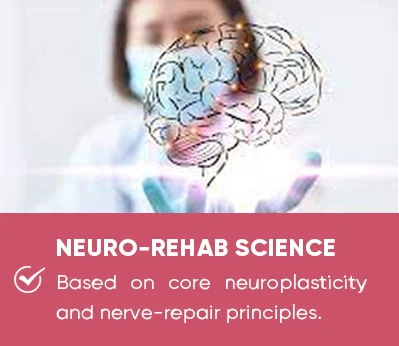
- Neuroplasticity support: helping the brain build and strengthen new neural pathways so that the weak side can gradually regain function.
- Better circulation to the weak side: supporting blood flow to brain and limb tissues, which may reduce stiffness, cramps, and that “heavy leg” feeling.
- Nerve–muscle coordination: helping signals travel more efficiently from brain to muscle, so movements become smoother and more controlled.
- Improved sleep quality: better rest at night gives the nervous system more time to repair and consolidate new motor patterns.
These mechanisms do not guarantee a cure or the same results for everyone, but they help explain why so many users report meaningful changes in their everyday life: easier walking, more stable steps, and stronger movement on the once-weak side.
A Shared Message From 1,286 Stroke Recovery Users
Whether it is a father in Texas lifting his arm higher for the first time in months, a grandmother in Singapore walking more steadily to the market, or a long-term survivor regaining confidence in daily tasks, all these stories point to the same message: recovery is still possible.
With a 4.8/5.0 rating and the trust of 1,286 stroke recovery users, this approach has become a powerful source of hope for families who refuse to give up on life after stroke.