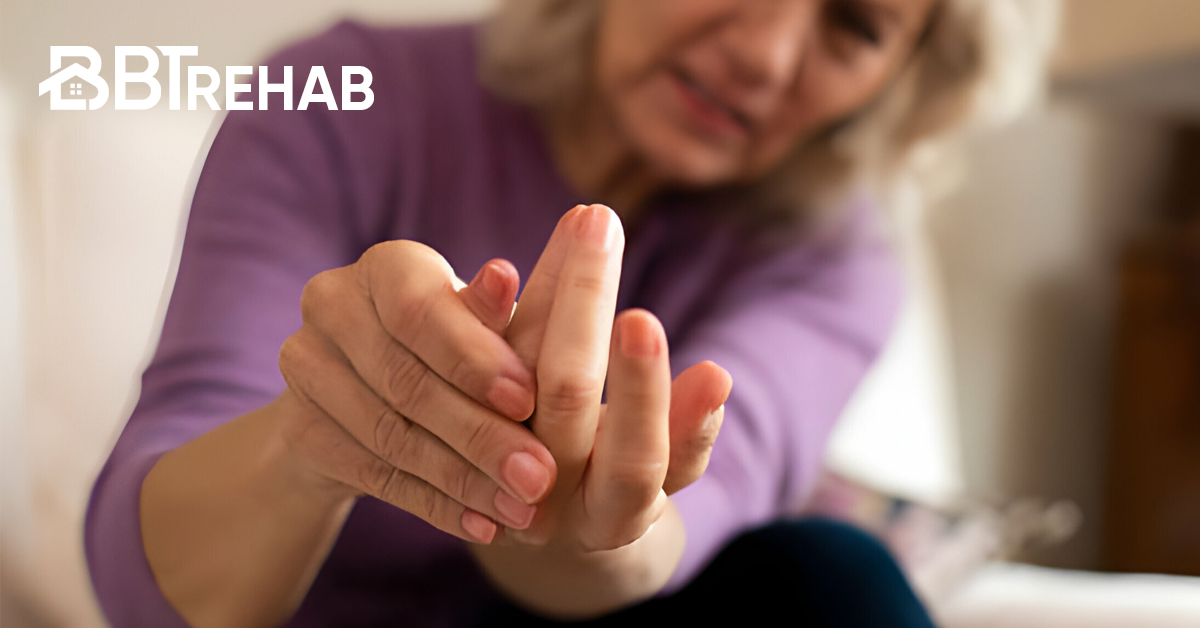
Stroke Rehabilitation: Recovery for Patients with Left-Side Paralysis
Common Post-Stroke Condition
After a stroke, many patients experience left-side paralysis caused by damage in the right hemisphere of the brain.
- Left arm: weakness, poor grip strength, impaired fine motor control.
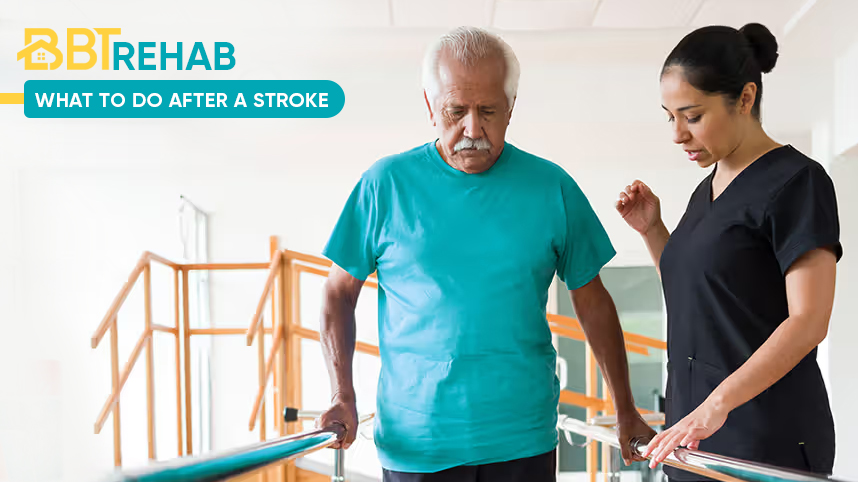
- Left leg: difficulty walking, poor balance, higher fall risk.
- Other: muscle stiffness, joint contractures, reduced independence in daily activities.
Risks of Incorrect Rehabilitation
Improper or unsupervised therapy can worsen outcomes and create new problems. Key risks include:
- Muscle stiffness and contracture: repetitive incorrect movements or lack of appropriate stretching can cause permanent shortening of muscles and joint deformity.
- Secondary injuries: overexertion or unsafe exercises can lead to falls, sprains, or fractures.
- Lost recovery window: the first 3–6 months after stroke are critical for neuroplastic change; wrong training wastes this “golden time.”
- Cardiovascular risk: exercising without medical oversight can raise blood pressure or trigger cardiac events, increasing chance of recurrent stroke.
- Poor functional gains: unspecific or unprogressive practice may produce limited or plateaued recovery, leaving the patient dependent longer.
How BBT Rehab Prevents and Manages These Risks
BBT Rehab combines targeted therapies and clinical oversight to reduce the risks above and guide safe recovery:
- Medical supervision: US-licensed clinicians monitor vitals, adjust intensity, and reduce cardiovascular risk during exercise.
- Guided progressive training: structured exercise plans avoid overuse and ensure correct movement patterns to prevent contractures and injury.
- Early passive-to-active progression: passive range-of-motion and positioning first, then progressive active training to use the recovery window effectively.
- Objective feedback: biofeedback detects even weak muscle signals so therapy trains correct neural pathways rather than compensatory, harmful movements.
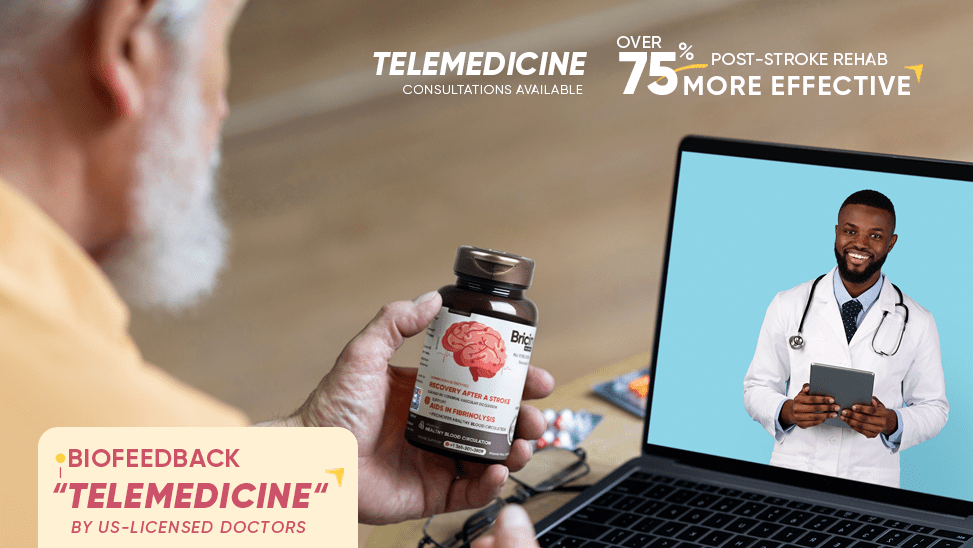
- Nutrition and medication support: Bricina enzyme therapy and clinician-guided medication/nutrition plans lower secondary ischemic risk and support brain recovery.
The BBT Rehab Solution: Core Components
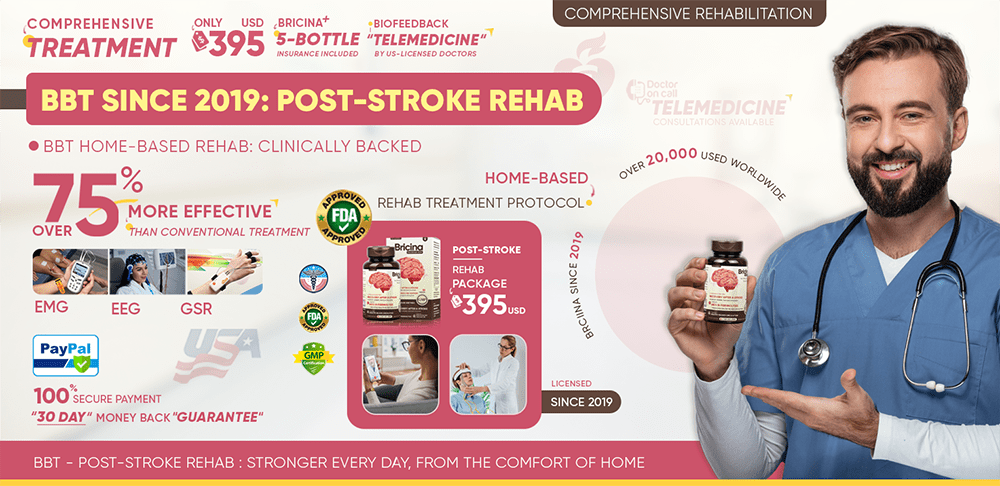
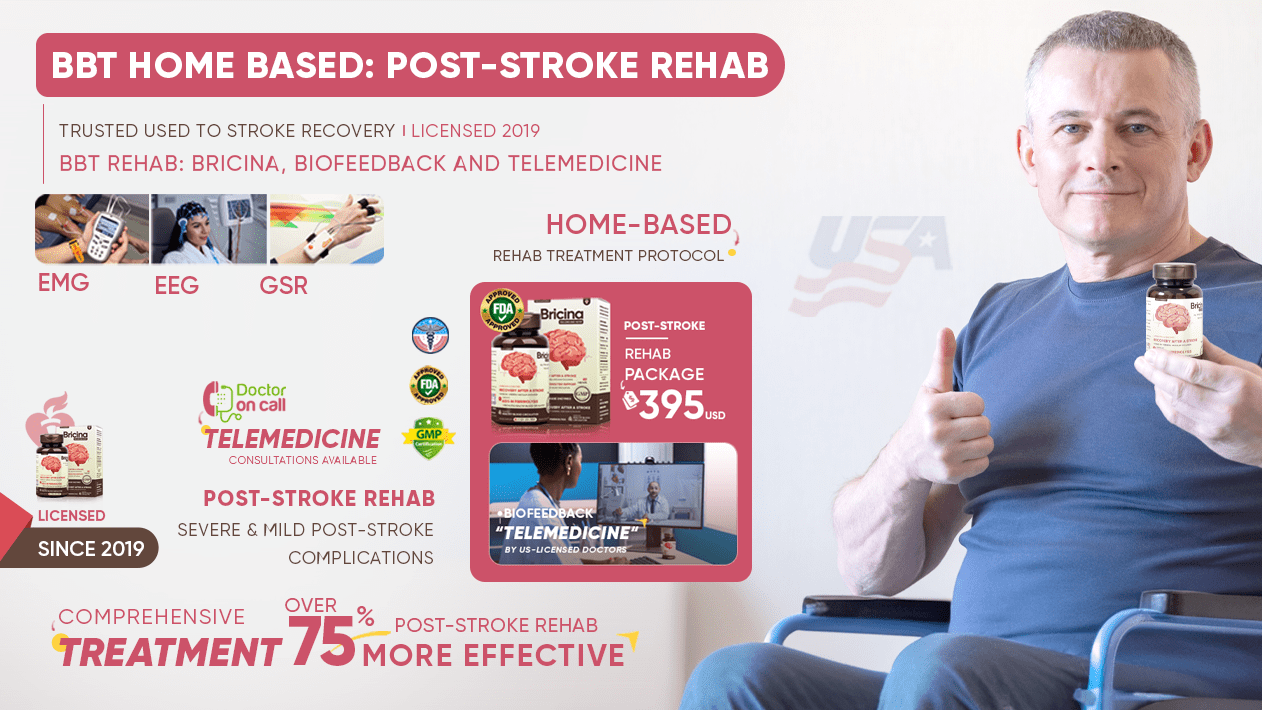
BBT Rehab is built on three integrated pillars that work together to maximize safe recovery:
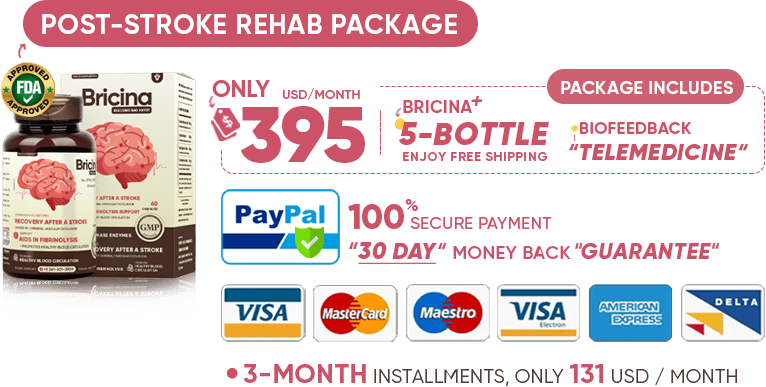
- Bricina enzyme therapy: improves cerebral blood flow, reduces secondary ischemia, and supports synaptic repair.
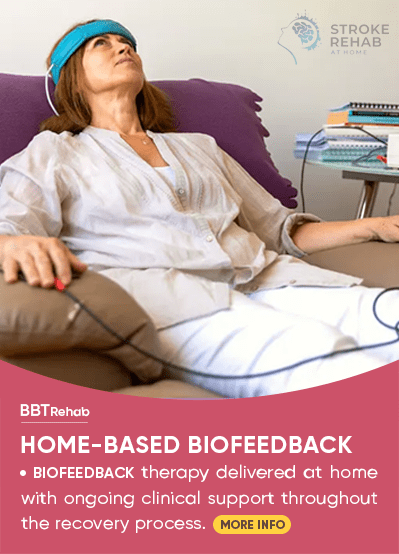
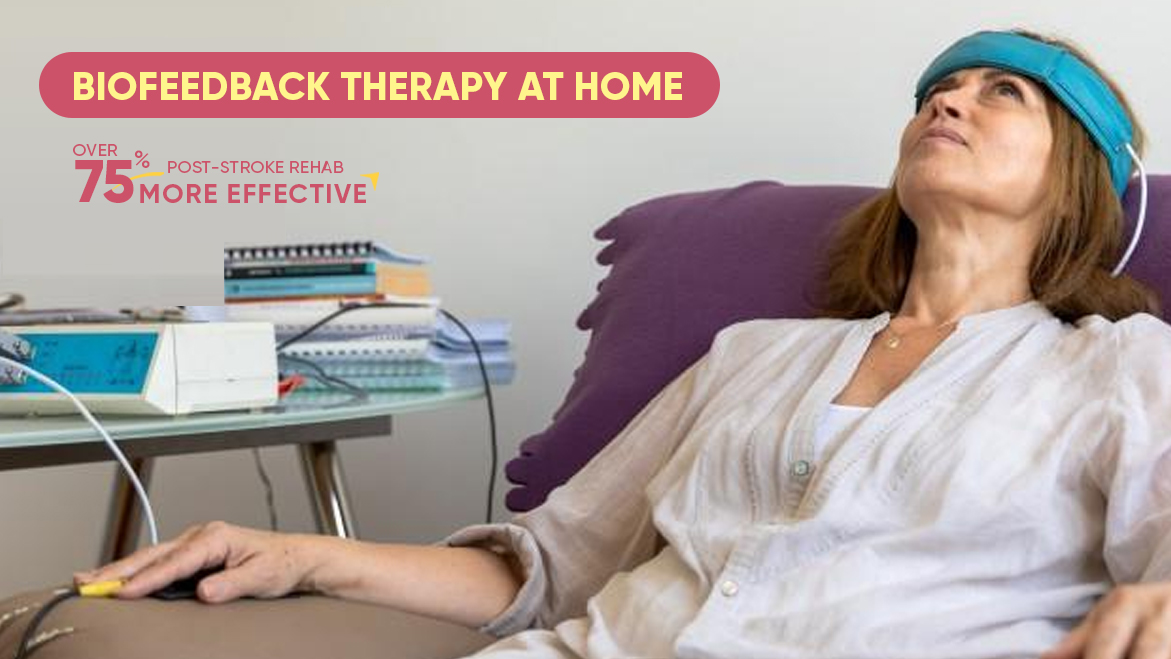
- Biofeedback training: EMG-based feedback helps the brain recognize and strengthen weak muscle signals, preventing spastic patterns and improving fine motor control.
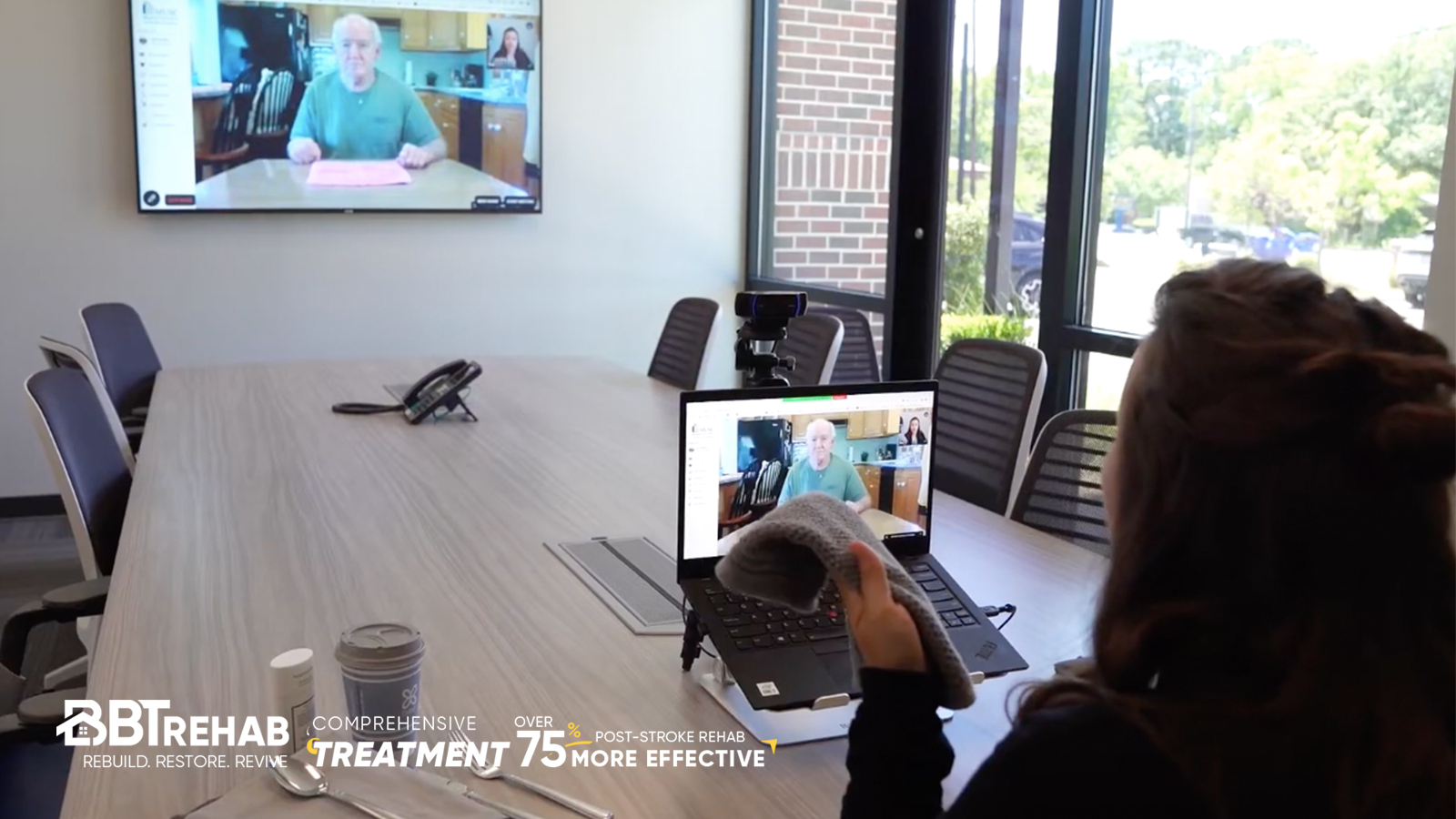
- Telemedicine supervision: remote clinician oversight provides weekly adjustments, safety checks, and personalized progression.
Recovery Timeline (Weeks 1–12)
Below is a typical progress pathway when conventional physiotherapy is combined with BBT Rehab. Individual results vary.
- Week 1–2 — Initial activation: passive range-of-motion for the left arm; careful positioning to prevent contracture; assisted sit-to-stand and light walking with support; Bricina begins improving circulation and reducing fatigue.
- Week 3–4 — Muscle activation: guided assisted grasp-and-release; short supported walks with walker or caregiver; biofeedback starts to detect and amplify weak EMG signals for conscious activation.
- Week 5–6 — Functional engagement: practice lifting a cup, reaching, and basic hand-to-mouth tasks; walking 5–10 meters with decreased assistance; therapists emphasize correct movement patterns to avoid compensation.
- Week 7–8 — Restoring daily function: holding a spoon, manipulating small objects, walking indoors independently (use cane if needed); biofeedback refines fine motor control and reduces spastic responses.
- Week 9–10 — Increasing independence: simple writing, dressing, opening doors; stable walking on flat surfaces and beginning 1–2 step climbs; clinicians focus on strength, endurance, and safety strategies.
- Week 11–12 — Functional stability: self-feeding and basic ADLs (activities of daily living) with the left hand, independent ambulation indoors and outdoors at steady pace; combined therapy often achieves ~65–70% functional recovery for many patients within 3 months.
Practical Guidance for Patients and Caregivers
To get the best outcomes and avoid harm, follow these practical rules:
- Start early but safely: begin passive movement and positioning immediately, then progress under clinician guidance.
- Follow a structured plan: do not improvise intensities or techniques—use the program prescribed by BBT Rehab clinicians.
- Use biofeedback: rely on objective signals to guide effort rather than forcing movements that can cause compensation or injury.
- Monitor vitals: track blood pressure and heart rate during activity; report abnormalities to clinicians immediately.
- Prevent falls: ensure safe environment, appropriate assistive devices, and supervision during early ambulation.
- Be consistent and patient: daily, repeated, correctly guided practice produces gains; avoid stopping therapy early.
Conclusion
Left-side paralysis after stroke is serious but manageable. With early, structured, and medically supervised rehabilitation—especially the integrated approach of BBT Rehab combining Bricina, biofeedback, and telemedicine—patients can reduce complications, use the neuroplastic window effectively, and often regain meaningful independence within 3 months.